
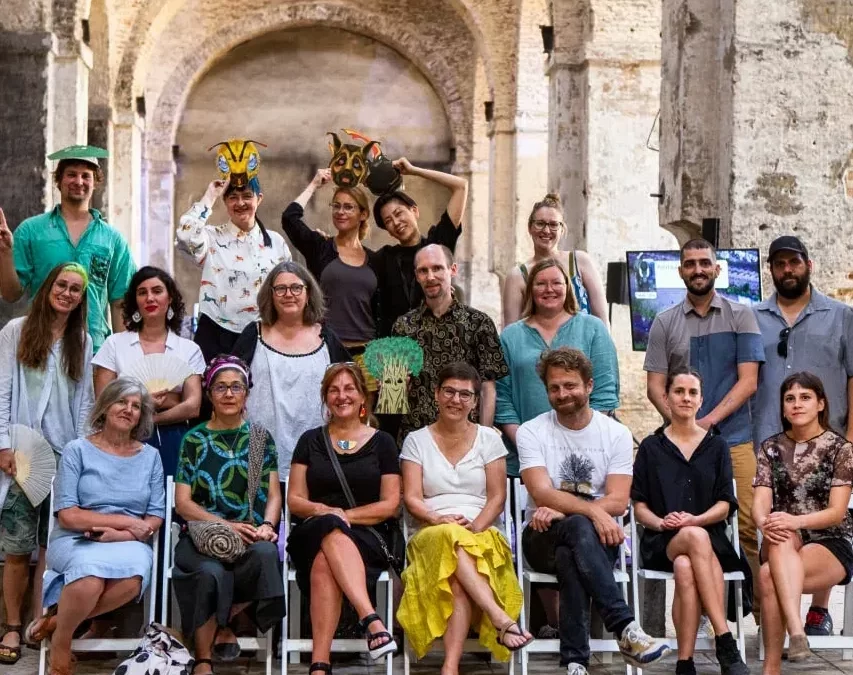
6th July 2022: CreaTures Festival in Sevilla, Spain
I’ve returned back from my train journey across Europe for the CreaTures Festival. I was delighted to bring a patch of Great Yarmouth to the programme, representing the Yarmouth Springs Eternal project in the conference and exhibition programme from 29th June to 1st July in Sevilla, Spain
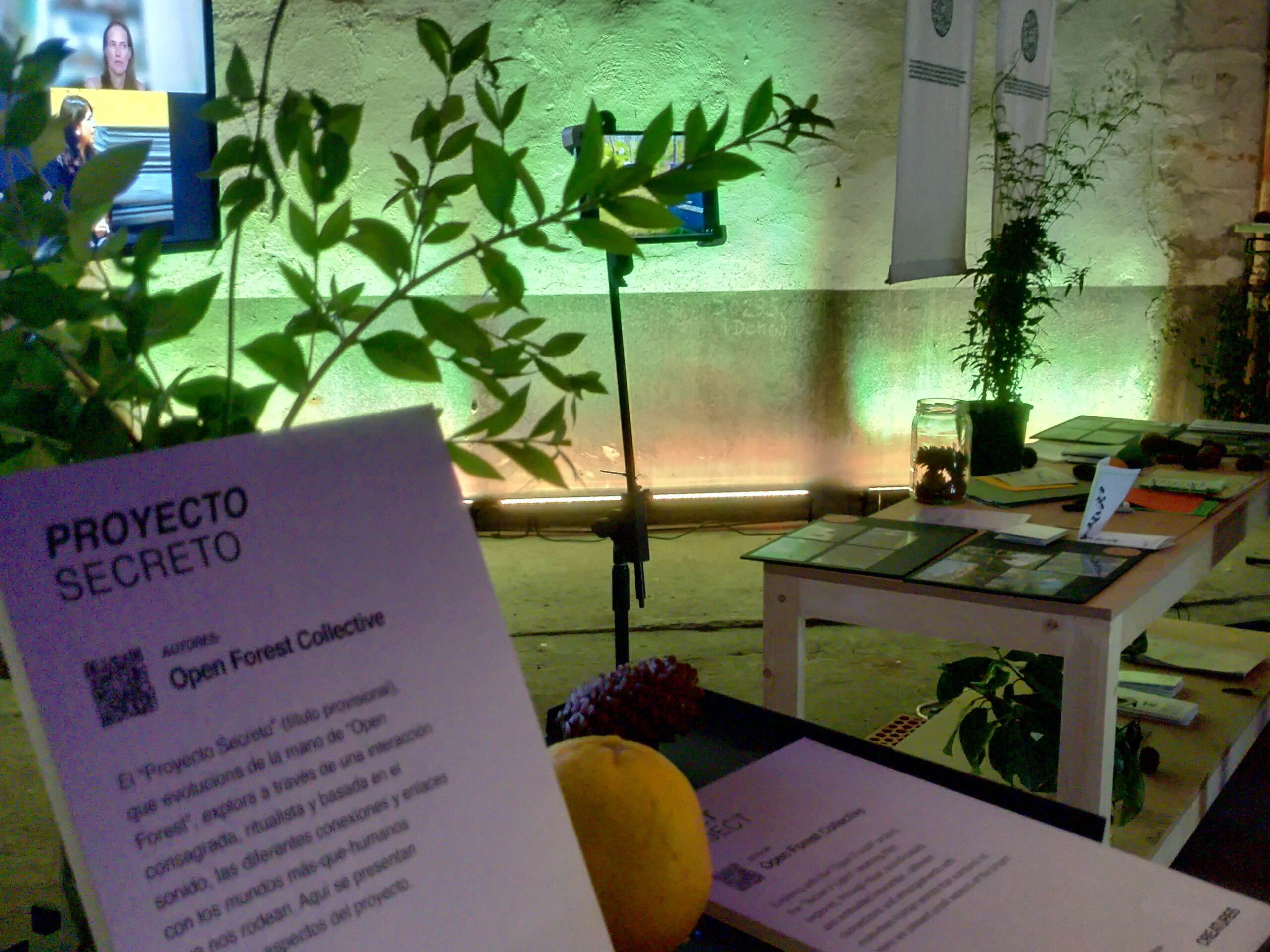
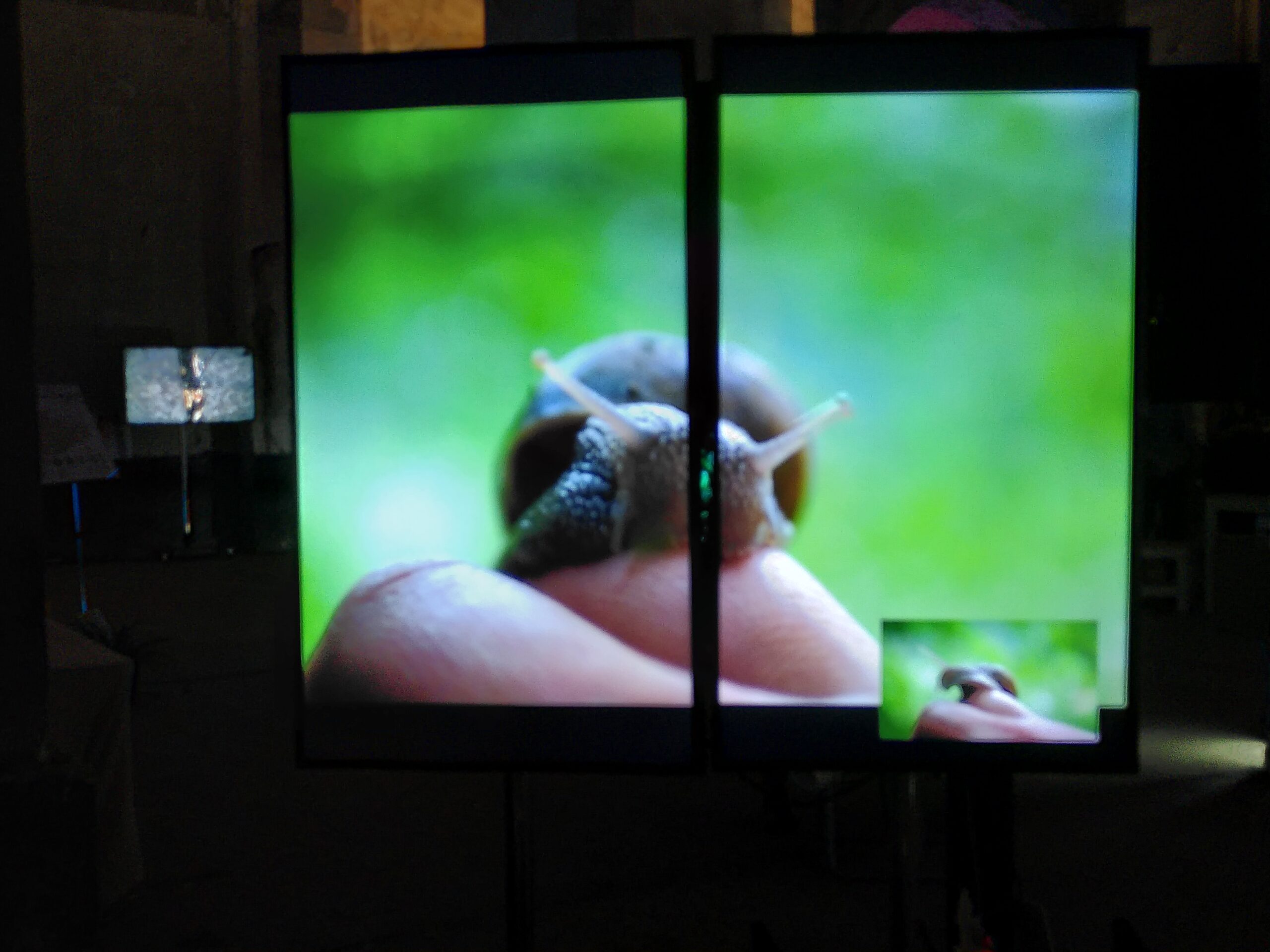
It was surreal to see melted candle wax collected from Great Yarmouth cemetery in the exhibition venue Real Fábrica de Artillería, an industrial factory established in 1565. I wondered whether the pigeon feathers on the installation table were the ones I brought with me, or ones dropped from the pigeon families now inhabiting the building. It was strange to see ‘Great Yarmouth’ and ‘the season of Spring’ as a contained experience – video, artefacts, posters – arranged on a table so far from home. The object bundles, fresh from the hands of the group, were laid as offerings to the audience. I thought about the snail whose shell home was now on display many miles away from its origin. Each object I laid in the display reminded me of the people and places they derived from

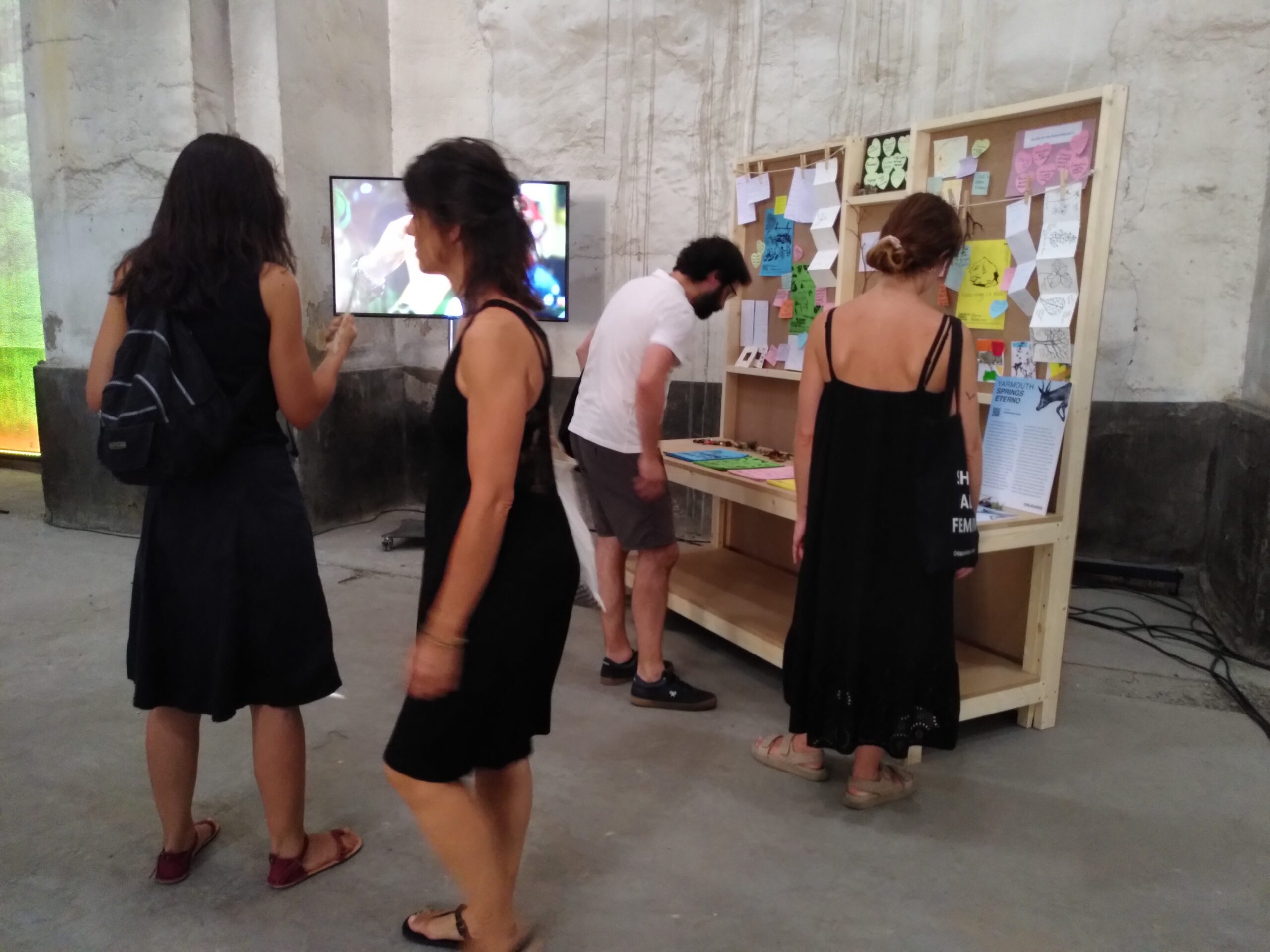
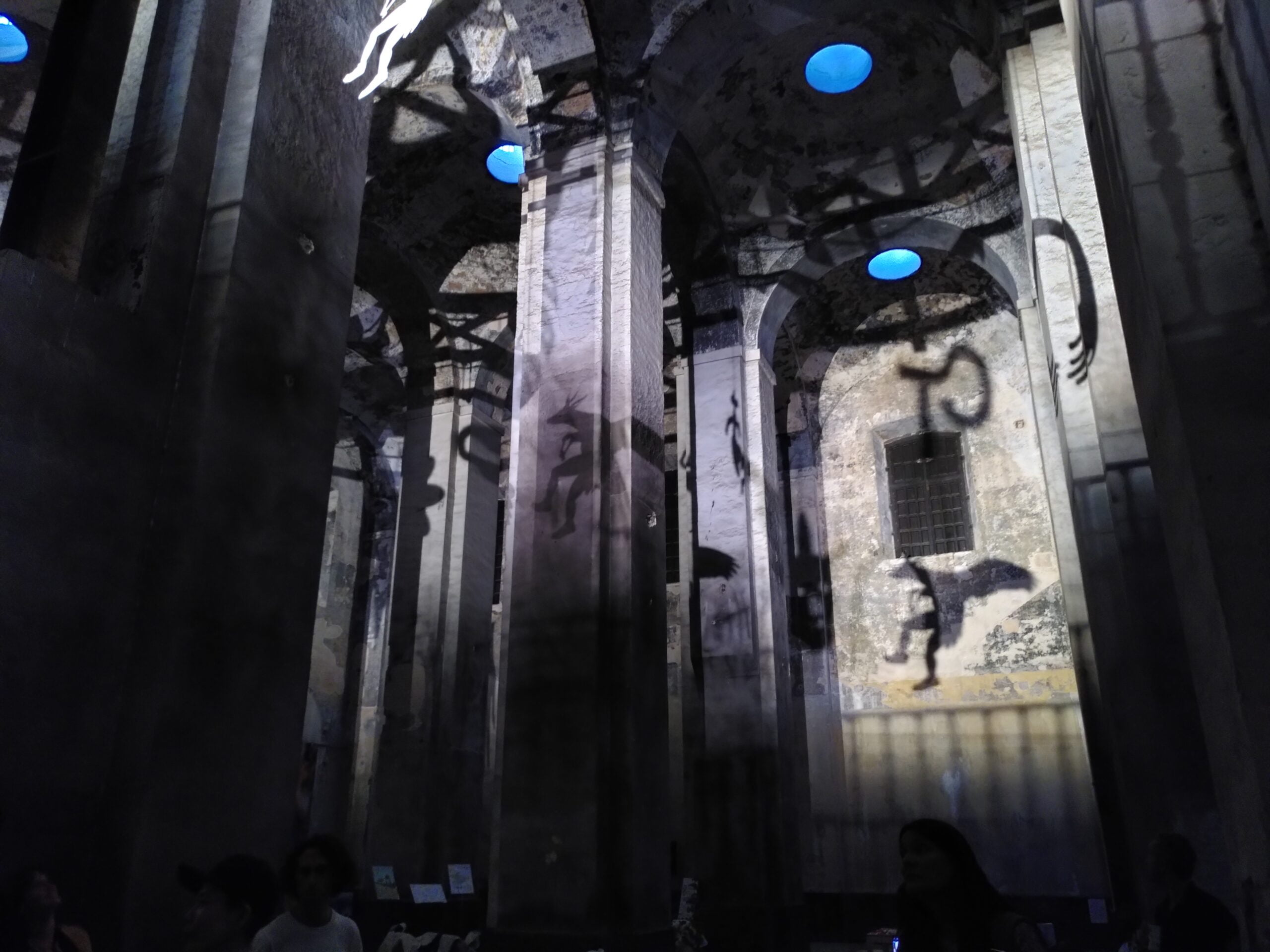

A display, even with Spanish interpretation translation for local visitors, never quite encapsulates it for me like the embodied experience. Maybe that’s because I feel lost and under-skilled in the area of exhibitions and curation, but more at home in facilitation. I was grateful to Thibault Pradet for his curatorial support and to my husband Pete for his on-going technical and emotional care! The range of installations in the exhibition were so rich, with interactive elements and inspiring community stories. A modest display suited Yarmouth Springs Eternal, as this year, for me at least, it was the conversations that felt really special. Spending time together in nature-connection and reflection was a pleasure. I wanted to highlight the words and collected objects in the show, to offer a sense of gentle discovery, intimacy and of the ‘moments’ shared
Thanks to Red Herring Press for printing our risograph posters for Yarmouth Springs Eternal installation exhibition visitors. I’ve still got some left over, so I will find a home for them in time. Thanks to Supporting Your Art for producing the project video, which really helped to bring energy to the still-life display. I have returned with a collection of precious objects – leaves, twigs, a snail shell, flint – which, inspired by the Yarmouth Springs Eternal public event led by Catarina Pimenta and Jacques Nimki, I will offer back to the Earth. Except the litter, plastics and faux plants, which I will dispose of carefully


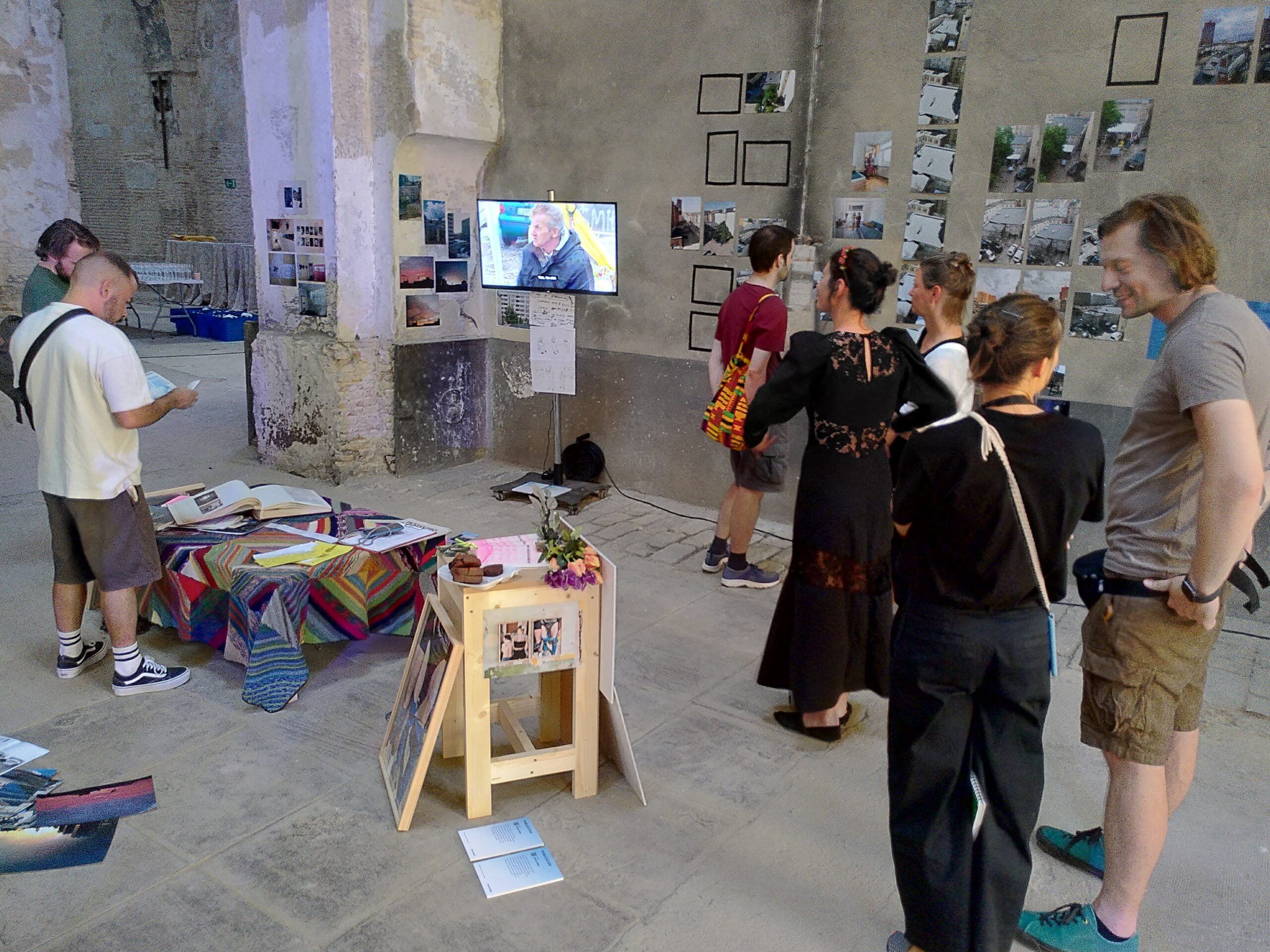
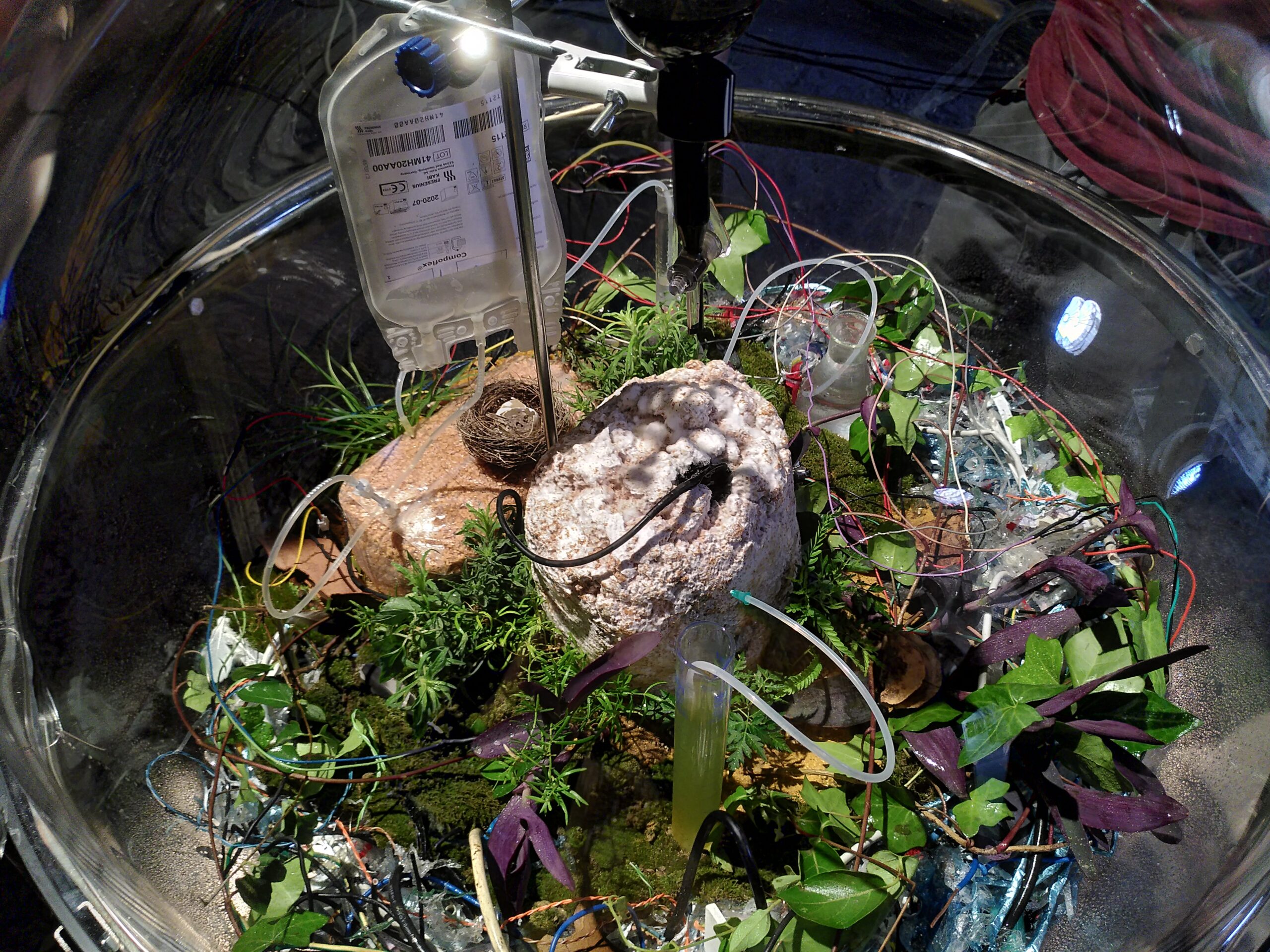
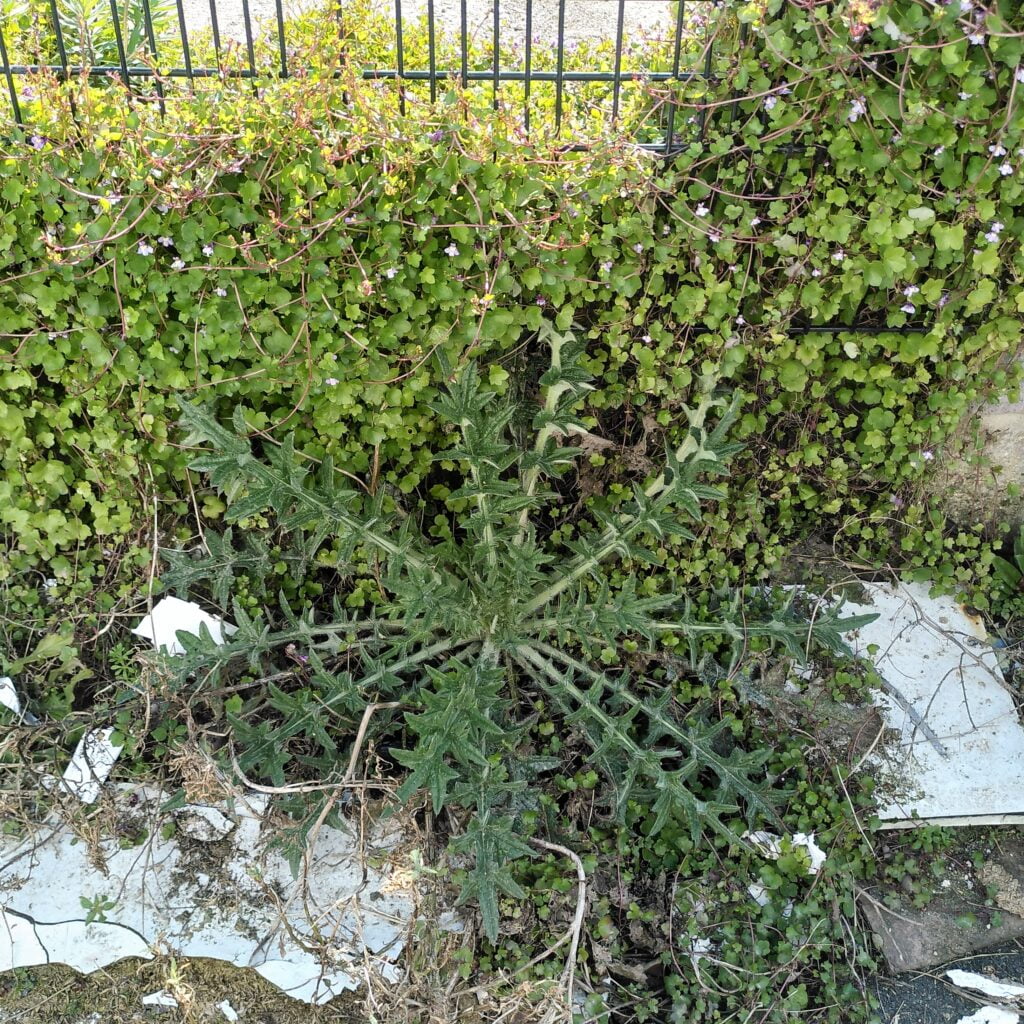
I particularly enjoyed participating in the exhibition programme of events: a walking experience led by Roberto Martinez and an interspecies meditation led by Ruth Catlow with Andrea Botero. In the latter, we were guided by Ruth to merge our current physical form with that of another living being. I chose to blend with ‘Mind your own business’ (Soleirolia soleirolii), a low-growing matting plant growing abundantly in my garden at home, native to the Mediterranean, which reminded me of the cool dampness I was missing in the 39c heat of Sevilla. I’ve since looked up the plant online and read that the RHS regard it as a “weed” which can be treated with Glyphosate, a pesticide that has been linked to problems with human development, hormonal systems and cancer. Isn’t it strange that when plants flourish in abundance it triggers fear and feelings of oppression? It reminds me of the conversations we had during the Yarmouth Springs Eternal project this year, how our controlling and restrictive relationship to nature mirrors the discrimination experienced by people – we’ll still making choices to toxify our interspecies interconnection at a time of climate and ecological crisis, when our existence relies so much on all beings
As well as being part of the CreaTures Festival exhibition programme at Real Fábrica de Artillería, I was invited to talk at the conference programme at Espacio Santa Clara. I was due to be part of the conversation panel ‘Anticipating Change: From climate collapse to eco-social futures’. Unfortunately – due to the heat or something I ate – I was bed-ridden with a stomach bug that day. I was incredibly grateful to Lara Houston for representing my words during the talk, as I watched on Zoom from my sick bed, crying. Thanks also to Andrea Botero for giving the 5 minute project introduction to Yarmouth Springs Eternal that evening too
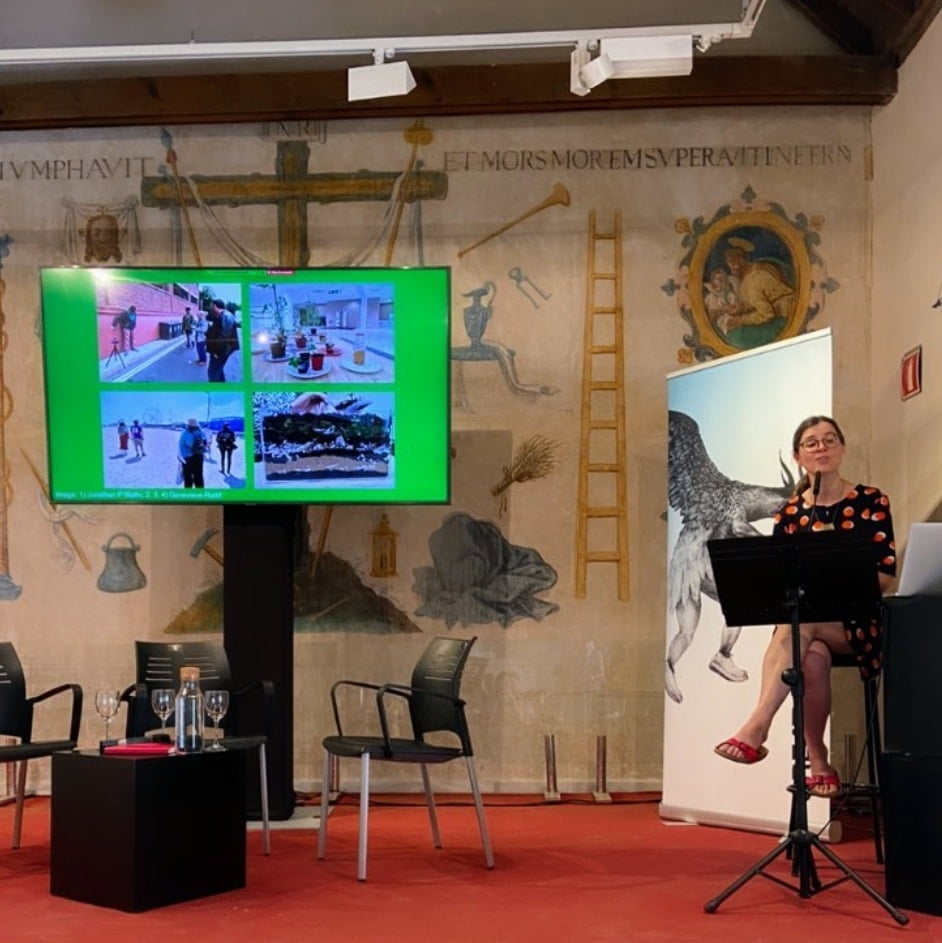
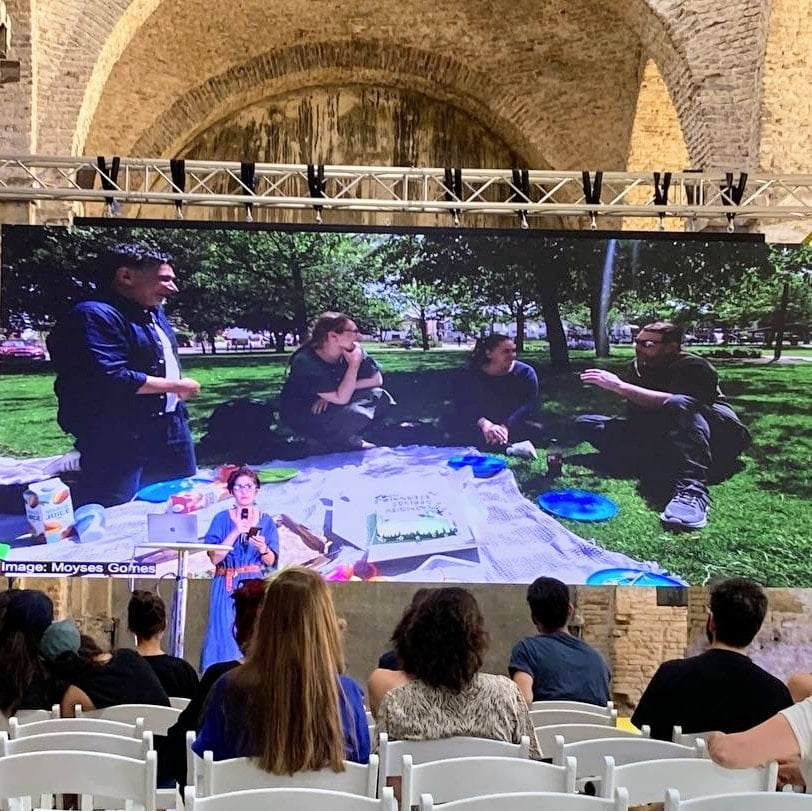
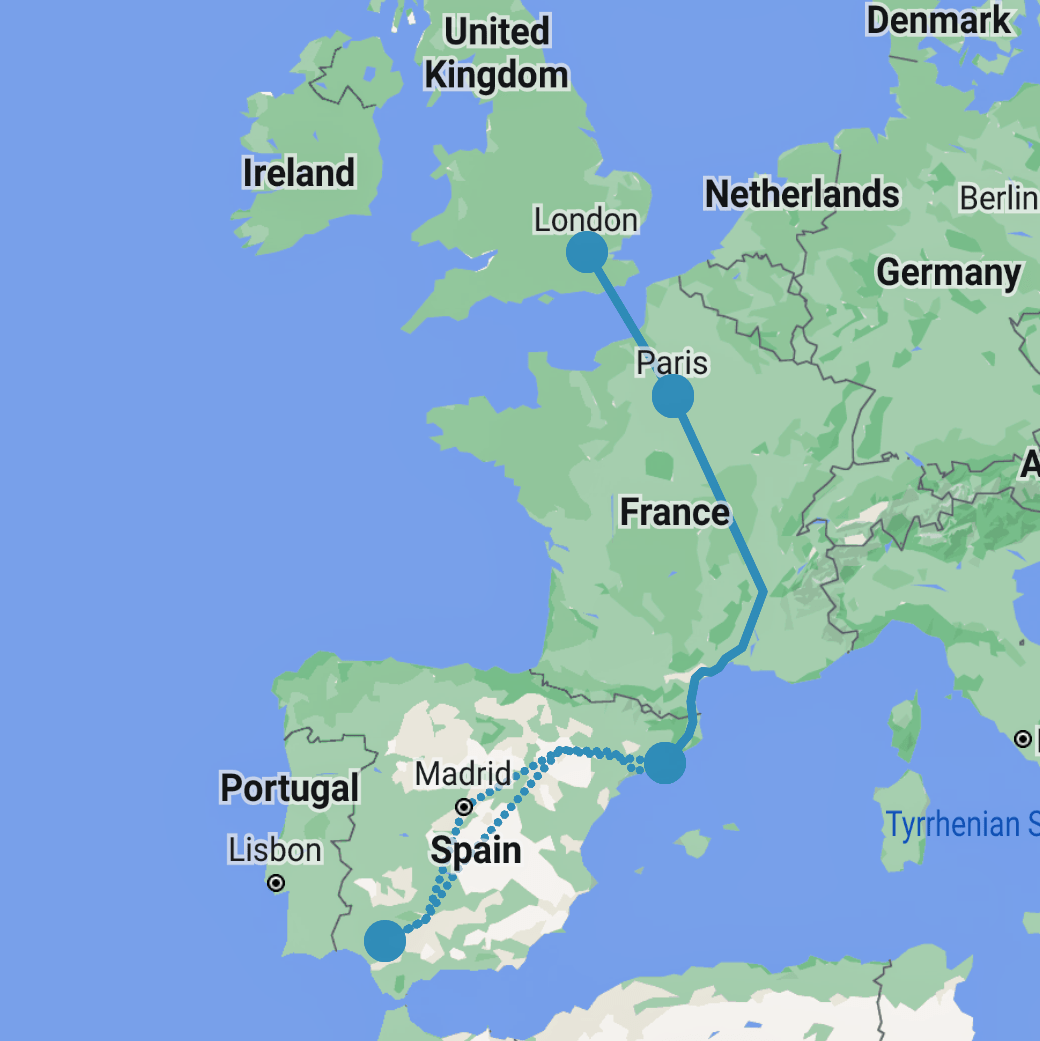
After spending 26+ hours on trains across three countries over 10 days, I’m very glad to be home and very grateful to have been part of the CreaTures experience this year. The EU-funded research programme is now drawing to a close, but I’m sure that the projects, relationships and inspiration sparked from the project will live on in and actively build towards eco-social futures across Europe and beyond. I have plans to build on the inspiration too, though a third year of Yarmouth Springs Eternal in 2023, for which I will start funding bid writing after some much needed downtime and rest in the Summer
As I was pulling into Great Yarmouth train station on my way home, I felt welcomed by the familiar plants lining the tracks, including some that I was carrying in their dried form back from their European exhibition trip. I noticed the elderflowers were still just holding on, having seen them in Paris the week before already as ripening berries. The best thing about returning home, for me, is seeing how my garden has changed. I was glad to see the evergreen ‘Mind your own business’ I meditated on at the CreaTures Festival a few days prior, it was looking plump and happy. In my garden, it plays a vital role as a soil protector and low overlooked habitat often occupied by snails. I’ll think about my CreaTures experience when I see this creeping plant and will celebrate its power to spread and flourish in the shady spots
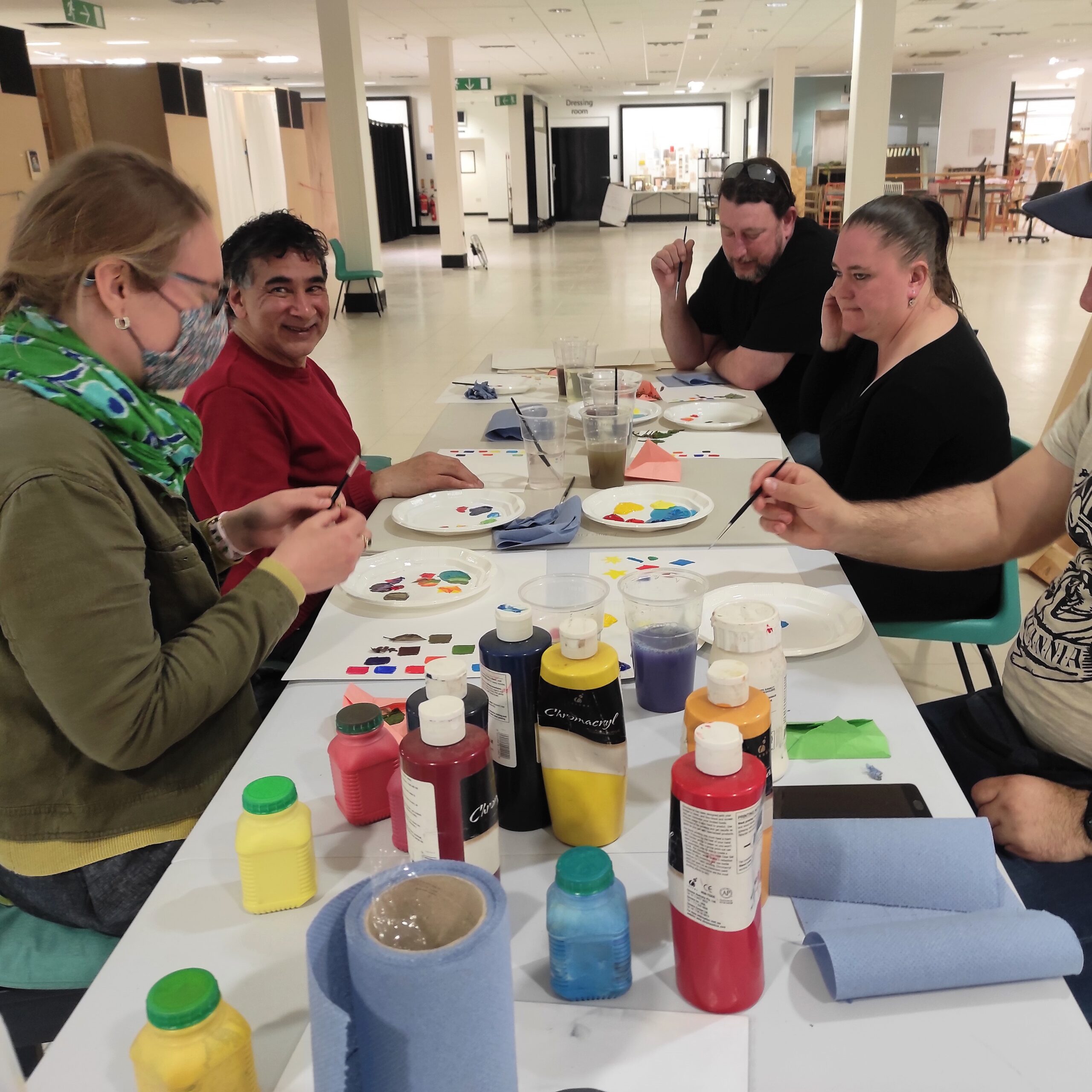
I would like to take a moment to again extend my gratitude to everyone involved in making and supporting Yarmouth Springs Eternal, this year and last year. In 2022, the project was led by:
- Project lead: Genevieve Rudd
- Project assistant: Moyses Gomes
- Images and footage: Genevieve Rudd, Moyses Gomes and Supporting Your Art
- Video editing: Supporting Your Art
- Print: Red Herring Press
- Facilitators: Catarina Pimenta, Henrik Kedves, Holly Sandiford, Jacques Nimki, Kerri Taylor, Ligia Macedo, Russell Hughes, Sara Moreira and Tiffany Wallace
- Venue: PRIMEYARC/originalprojects; and Great Yarmouth
- Funders: CreaTures/EU Horizon 2020 and Norfolk County Council’s Arts Project Fund



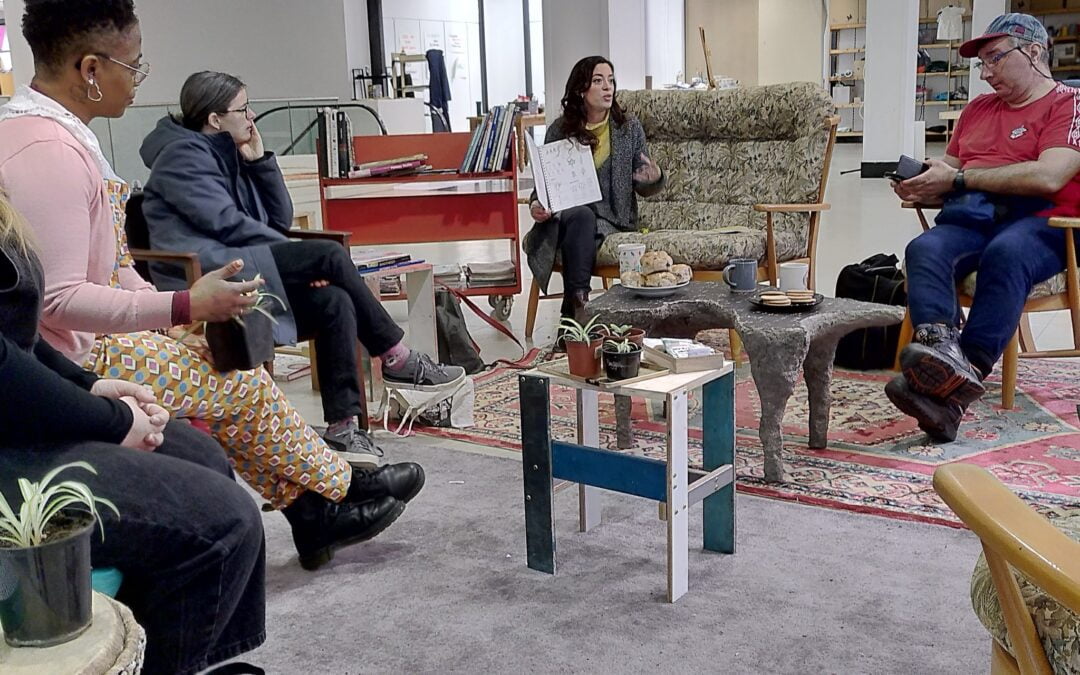
 Are you a tap root, which holds most of it’s energy under the surface?
 Are you like adventitious roots? They make the most of their environment and clump together the soil around them
 Perhaps you’re more of a corm (blub)? They are like the tap root, with a big internal system to retreat into, but have some short adventitious roots
 Or you might be a rhizome. They operate on the surface, with multiple ‘arms’ of roots, so that if one gets cut it can continue growing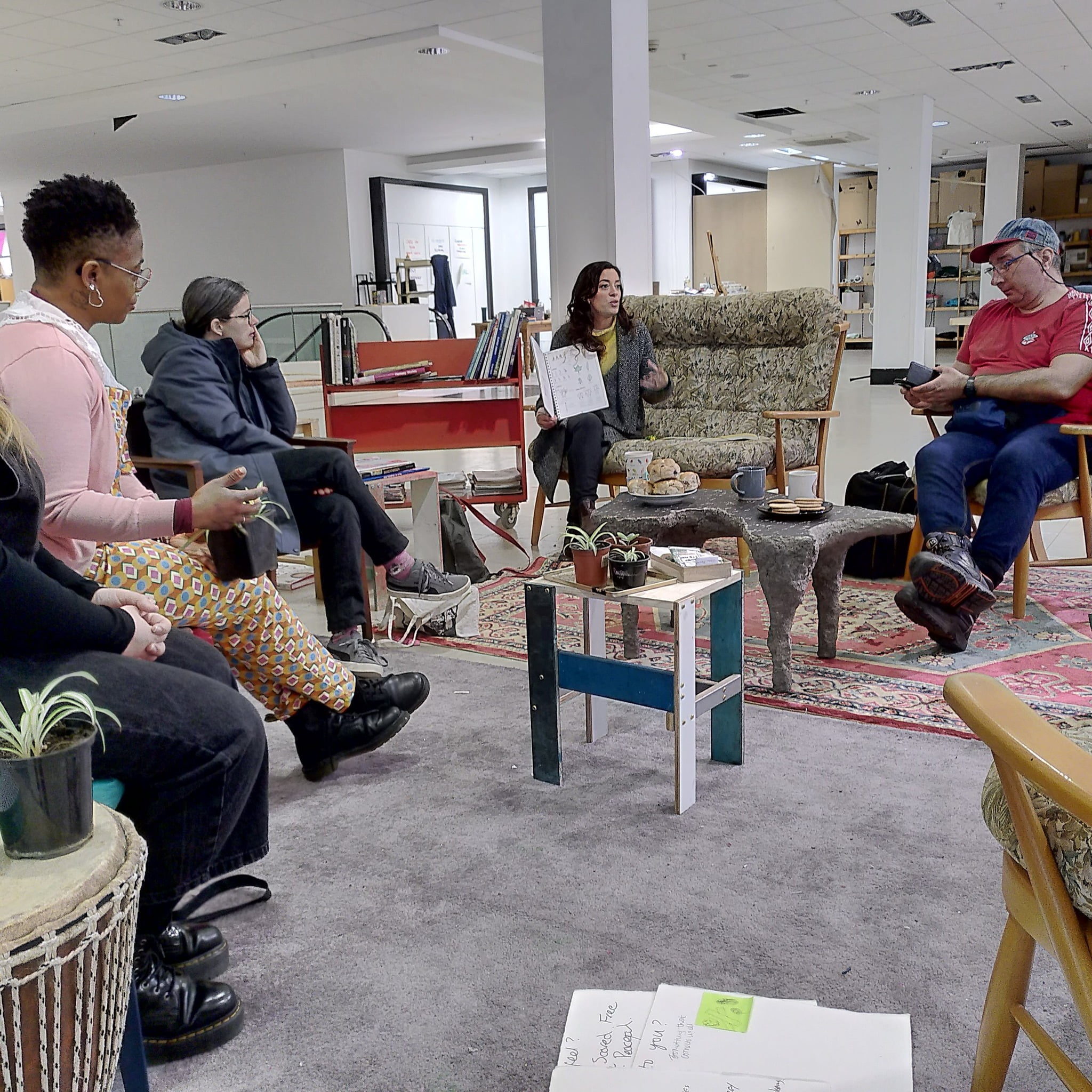




Recent Comments