Feedback from a Yarmouth Springs Eternal community workshop in March 2022
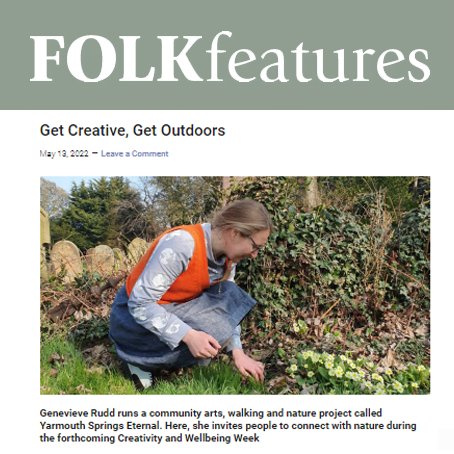
I was invited by Folk Features to write an article about the Yarmouth Springs Eternal project so far, before we launch our public programme of community-led events on 19th to 21st May. In Get Creative, Get Outdoors I talk about the background to the project, our intentions this year and our celebration of Creativity & Wellbeing Week 2022
What I think people get out of Yarmouth Springs Eternal is something time and geographically specific, whilst also being very universal and bigger than just the project.
What I mean by that is this project is about Great Yarmouth in Springtime. We’re very honest and open-hearted about how Spring presents to us, we explore the streets as much as we explore the more ‘natural’ spaces. We’re very open to complexity too, recognising that we’re in a time of climate and ecological emergency, and that much that we often define as ‘nature’ is manicured from a human perspective.
By describing the project as ‘universal’, I mean that we, as humans, are nature too. We are in this ecosystem and it’s our right – whoever we are, whatever our experience is – to honour and celebrate our role within the natural world. Our lived experiences shouldn’t be a barrier to this connect. This is what we try to do through Yarmouth Springs Eternal: we bring a huge range of life experiences, but the thing that connects us all is our essential relationship to nature.
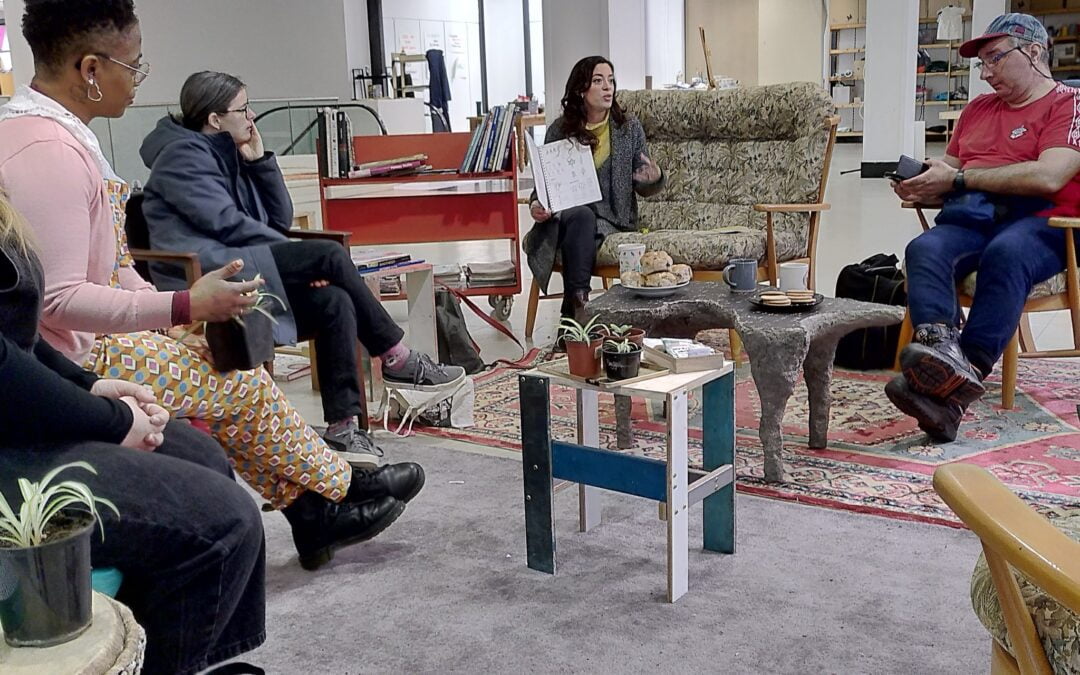
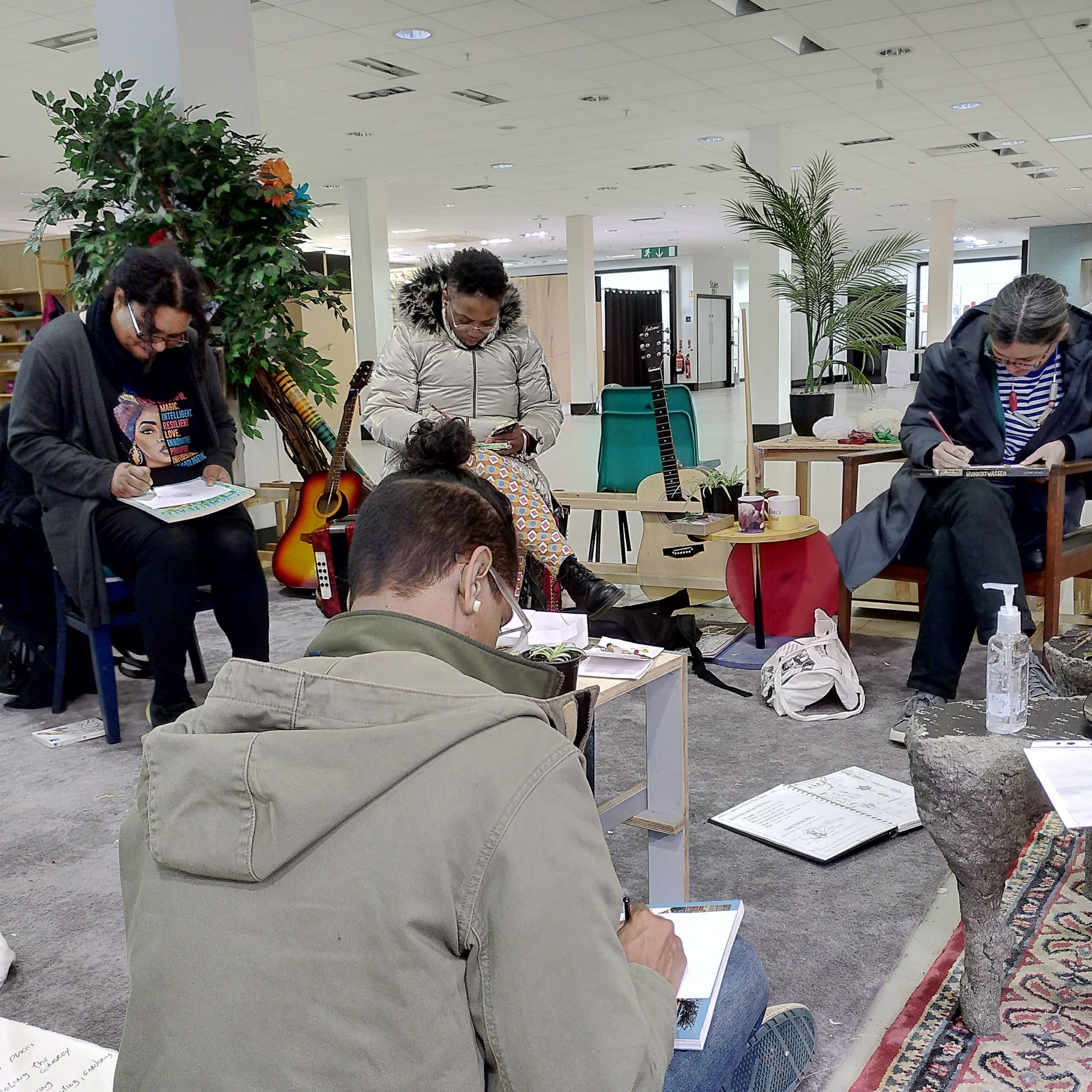
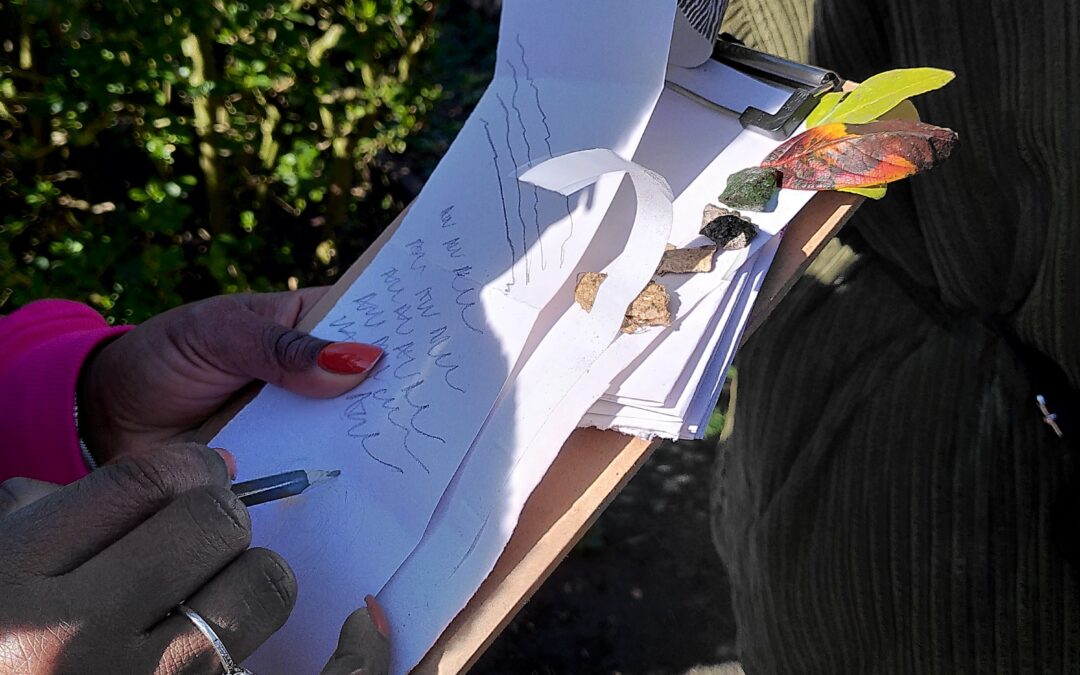
At our latest community session, we had the pleasure of working with ecologist and nature advocate Tiffany Wallace. It was interesting to hear how Tiffany uses drawing as a way to understand the details of plants. In her field book, she shared lots of different examples including root systems… Which root system are you?!
Are you a tap root, which holds most of it’s energy under the surface?
Are you like adventitious roots? They make the most of their environment and clump together the soil around them
Perhaps you’re more of a corm (blub)? They are like the tap root, with a big internal system to retreat into, but have some short adventitious roots
Or you might be a rhizome. They operate on the surface, with multiple ‘arms’ of roots, so that if one gets cut it can continue growing
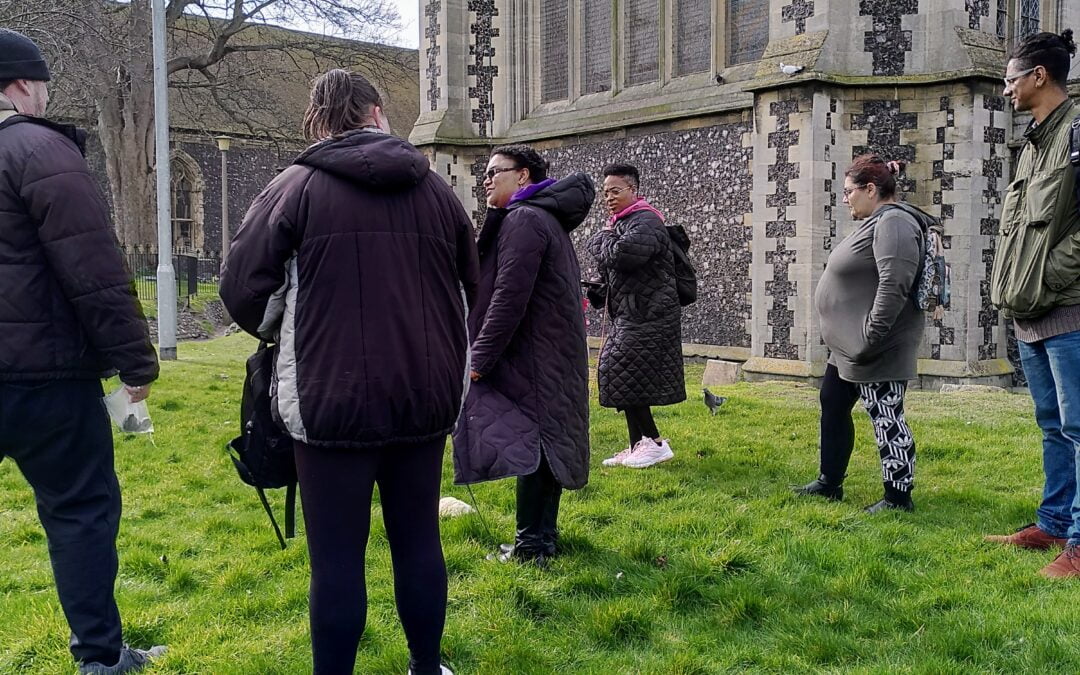
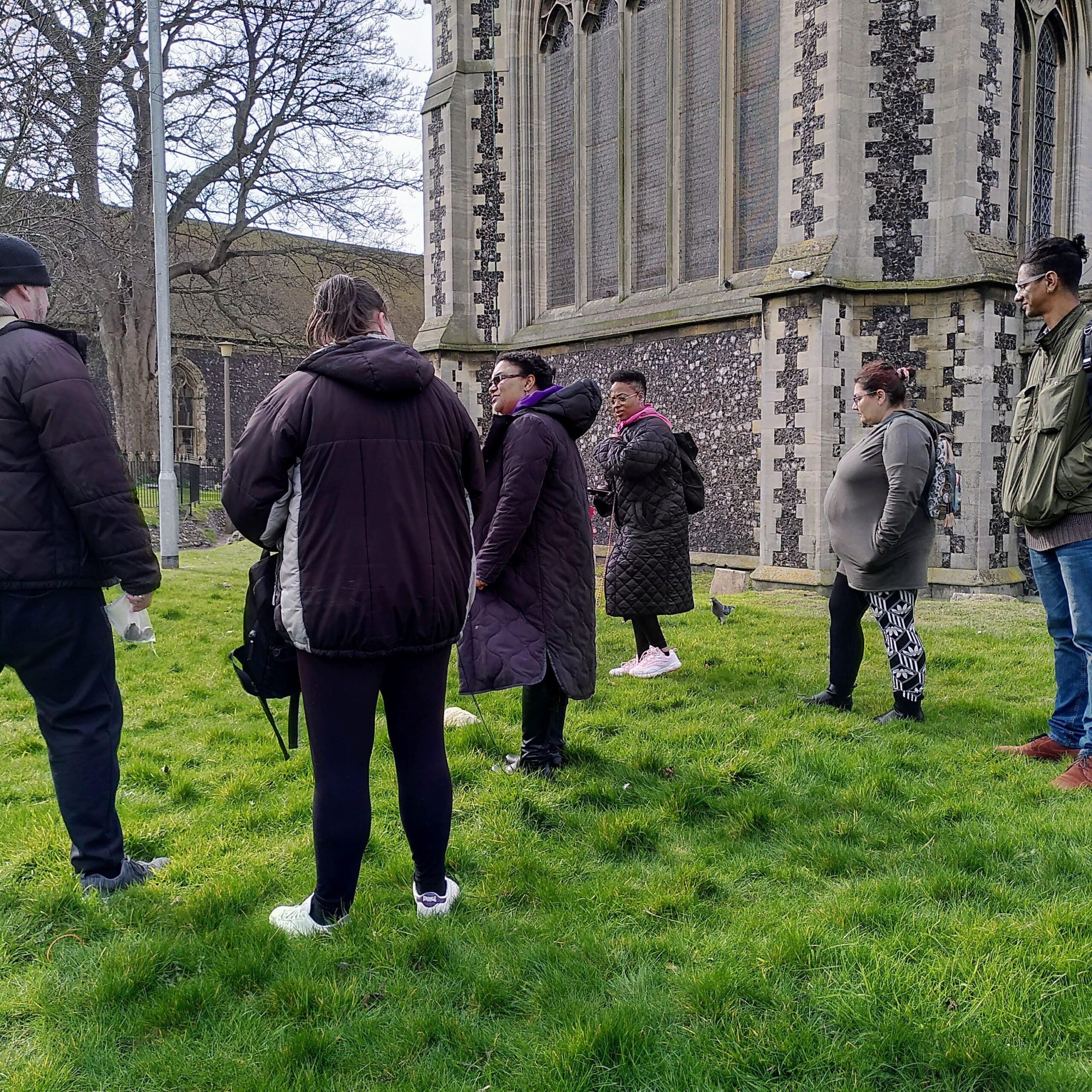
We were also joined by Lara Houston, a researcher from the Creative Practices for Transformational Futures (CreaTures) project, which has been supporting the project this year. Tiffany was our last guest facilitator, bringing her scientific perspective on the plants and places we’ve been exploring recently. In our next session, we’ll be bringing all the ideas and inspirations from visiting facilitators Ligia Macedo, Holly Sandiford, Jacques Nimki and Tiffany Wallace together, and designing a series of public events for May – watch this space!
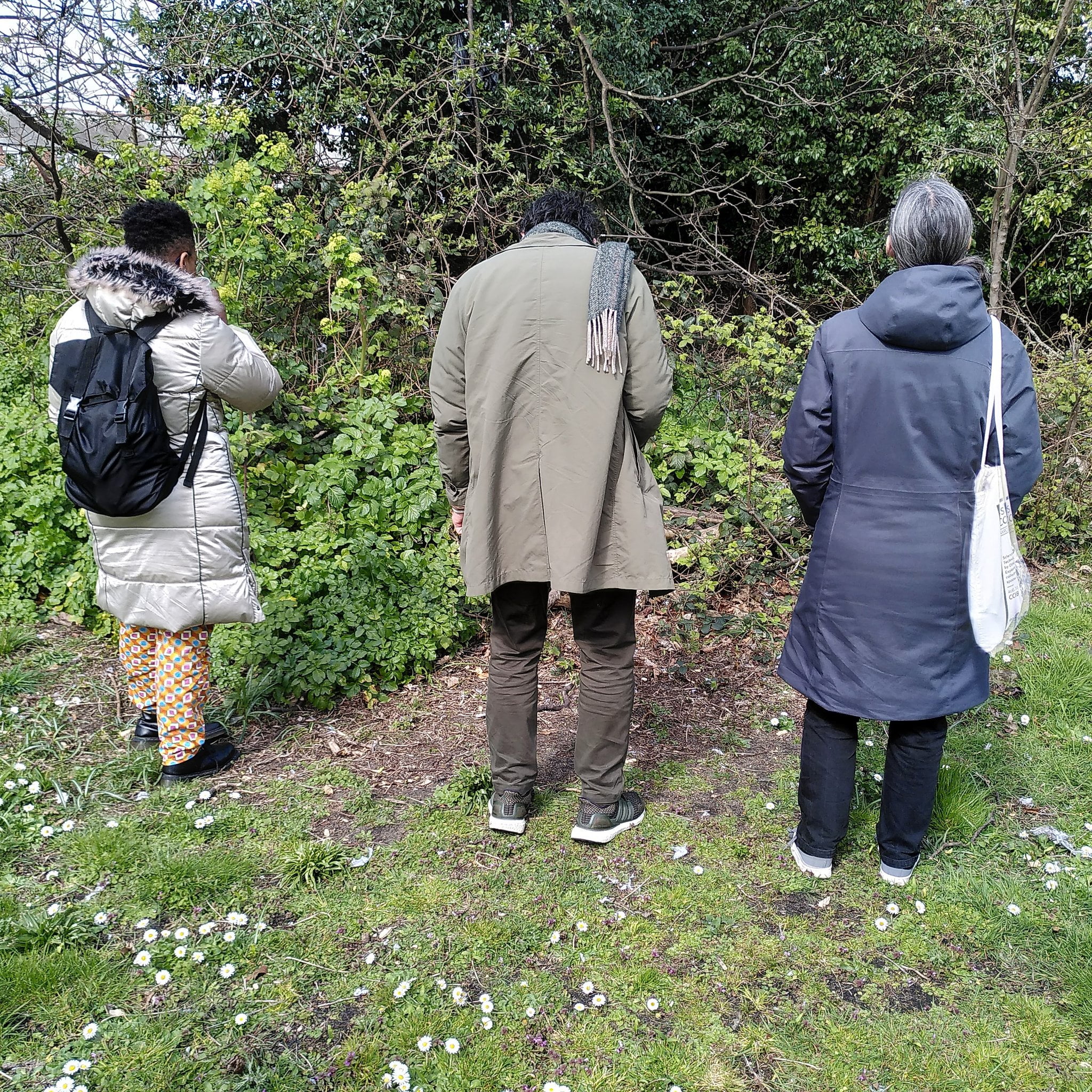
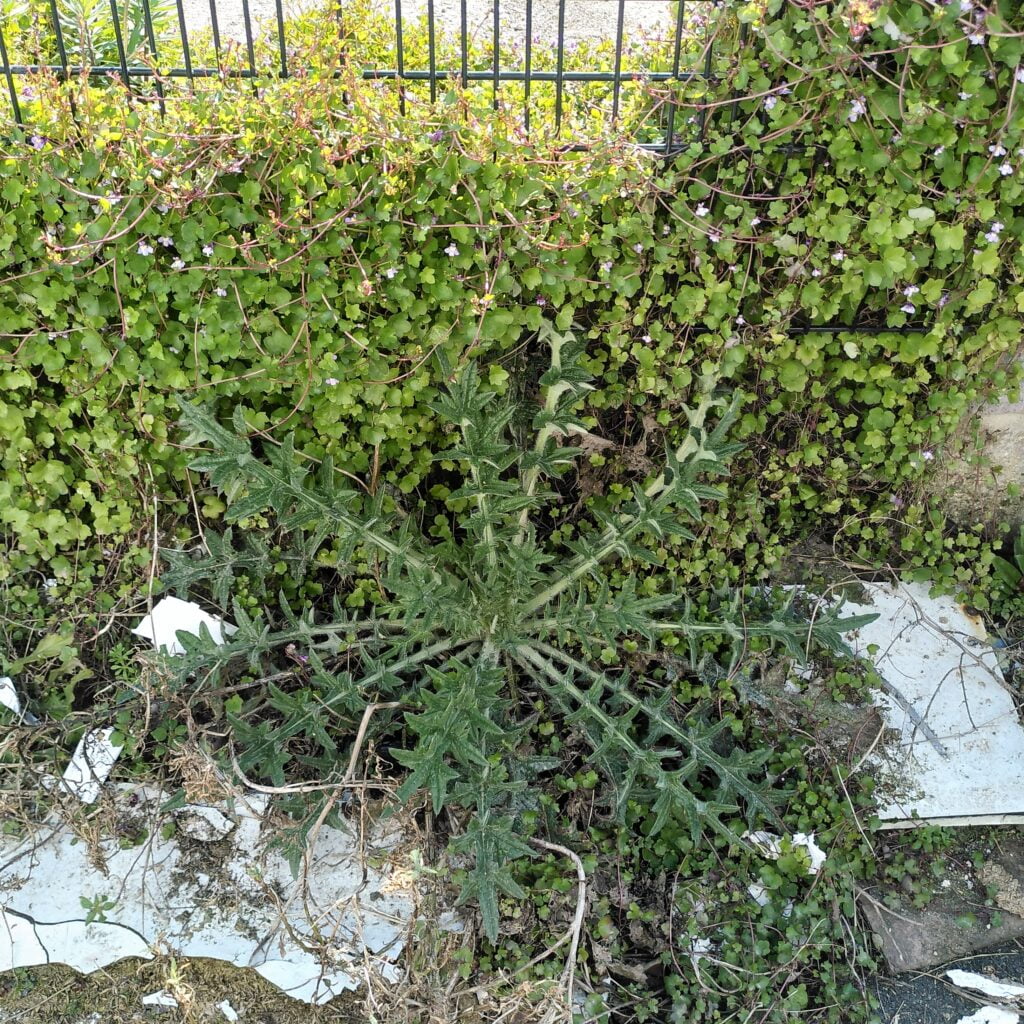
Our latest community session was led by artist Jacques Nimki. Jacques has a long-time fascination and admiration for ‘weeds’, and uses them as a way to read the world. During our walk, we were talking about the irony of gardening – how non-native plants are grown in nurseries (often using landscape-destroying peat) are sold and planted into ‘unnatural’ places. Whereas native plants are seen as invasive or problematic when they self-seed and thrive
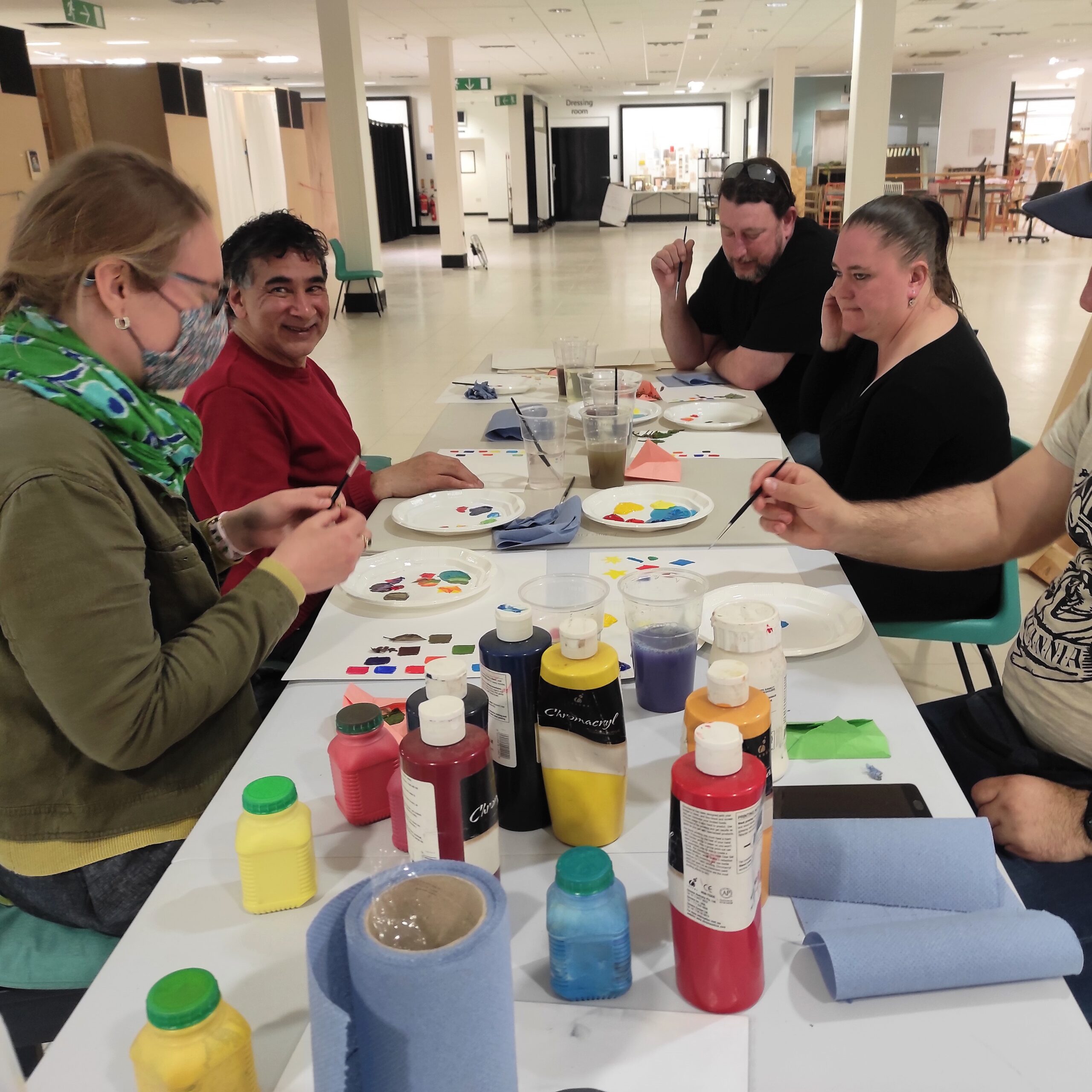
As we noticed the plants growing in the margins, the group drew parallels between the way people overlook and mistreat homeless people – by walking by them on the street – and how people relate to weeds. What we see as ‘natural’ is often an artificially controlled and gardened landscape, such as the planted visas of Capability Brown or the council-maintained shrubs we found along the streets, housing estates, riverside and industrial units. We went exploring along the plants found along the edges and verges, and recreated their colours back at the studio
In our second community workshop, artist Holly Sandiford was our guest facilitator. Holly is a very experienced facilitator of arts, nature and wellbeing projects. She guided us with generosity, sharing lots of ways to connect and explore
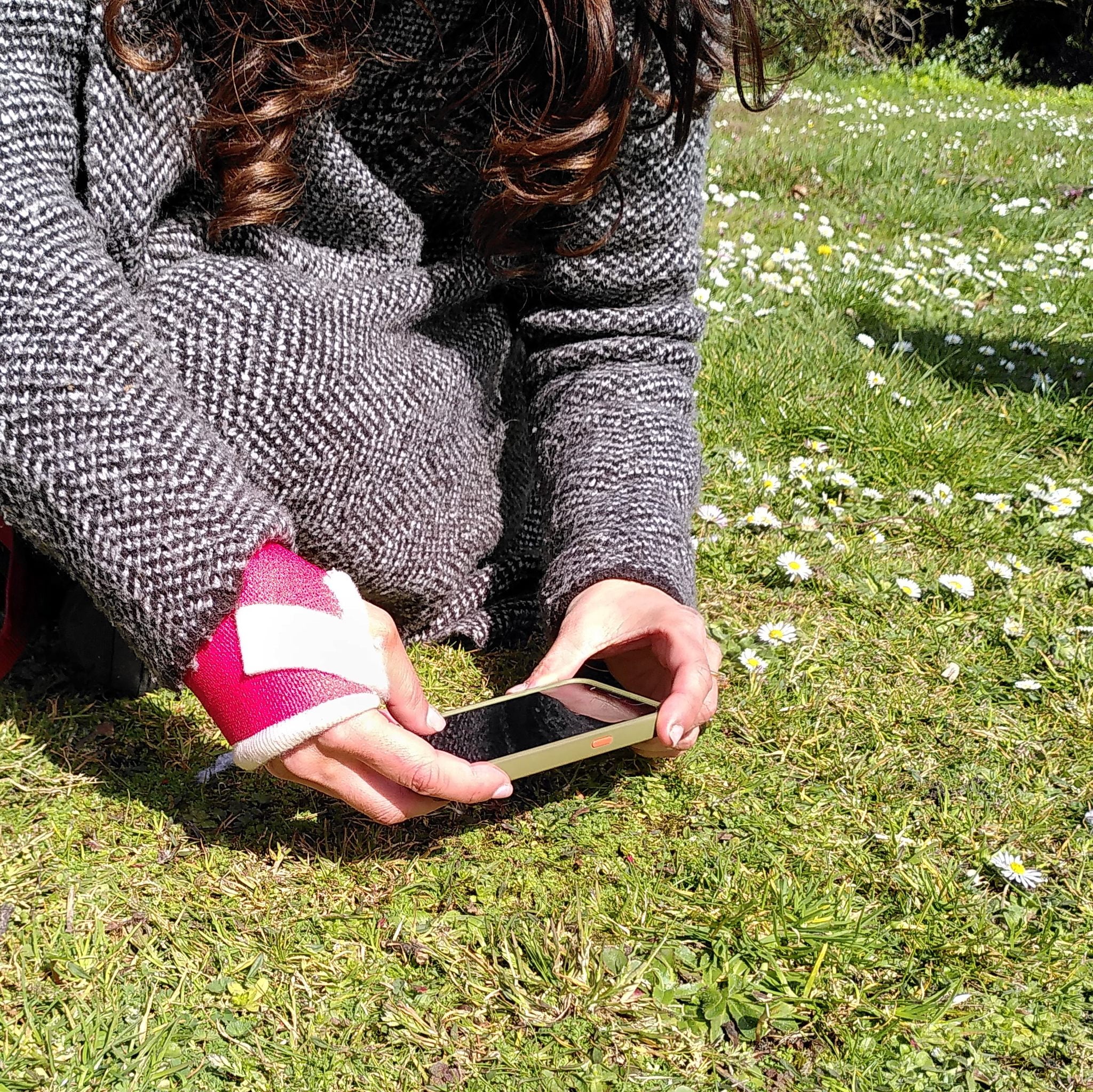
We visited the cemetery again (it’s a popular spot!) to try out a range of sensory looking and drawing approaches. It was so lovely to have lunch outside, to smell the moss, walk barefoot and bask in the Spring sunshine. Later on in the session, the group started coming up with some ideas for what they will lead for the public in May. Already, there are a series of rich and thoughtful ideas emerging…
We started our community workshop series this week, facilitated by Ligia Macedo. Beginnings can be difficult, but Ligia is a friend of the project and her activity last year was received with a very warm and positive response, so we knew we were in safe hands!
Ligia facilitated a creative writing workshop themed around Inside Out and Outside In. We explored different ways to connect with our internal feelings and external surroundings – and expressed these through written and spoken words. We walked to the cemetery (a favourite spot from last year too!) to experience the “calm” and feel “untroubled”. Before writing a collaborative poem and a private text to ourselves of how to hold onto feeling “serene” in nature, when living in a “chaotic” world
Collecting words and thoughts, at Great Yarmouth CemeteryInside Out and Outside InWalking, exploring and looking, at Great Yarmouth CemeteryFinding the JOY in nature!
This is the poem we created collaboratively, after collecting and selecting words through the session:


 Are you a tap root, which holds most of it’s energy under the surface?
 Are you like adventitious roots? They make the most of their environment and clump together the soil around them
 Perhaps you’re more of a corm (blub)? They are like the tap root, with a big internal system to retreat into, but have some short adventitious roots
 Or you might be a rhizome. They operate on the surface, with multiple ‘arms’ of roots, so that if one gets cut it can continue growing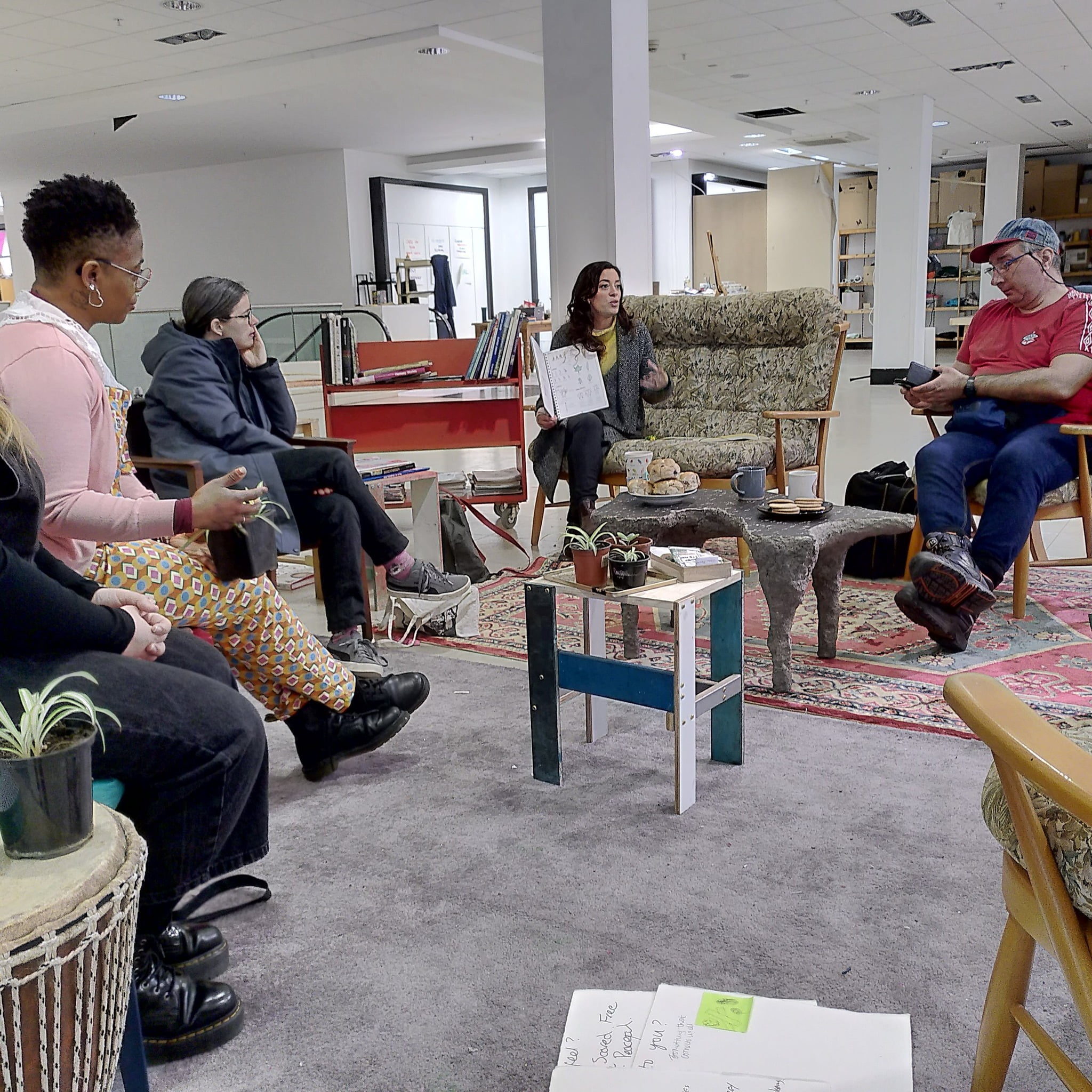






Recent Comments